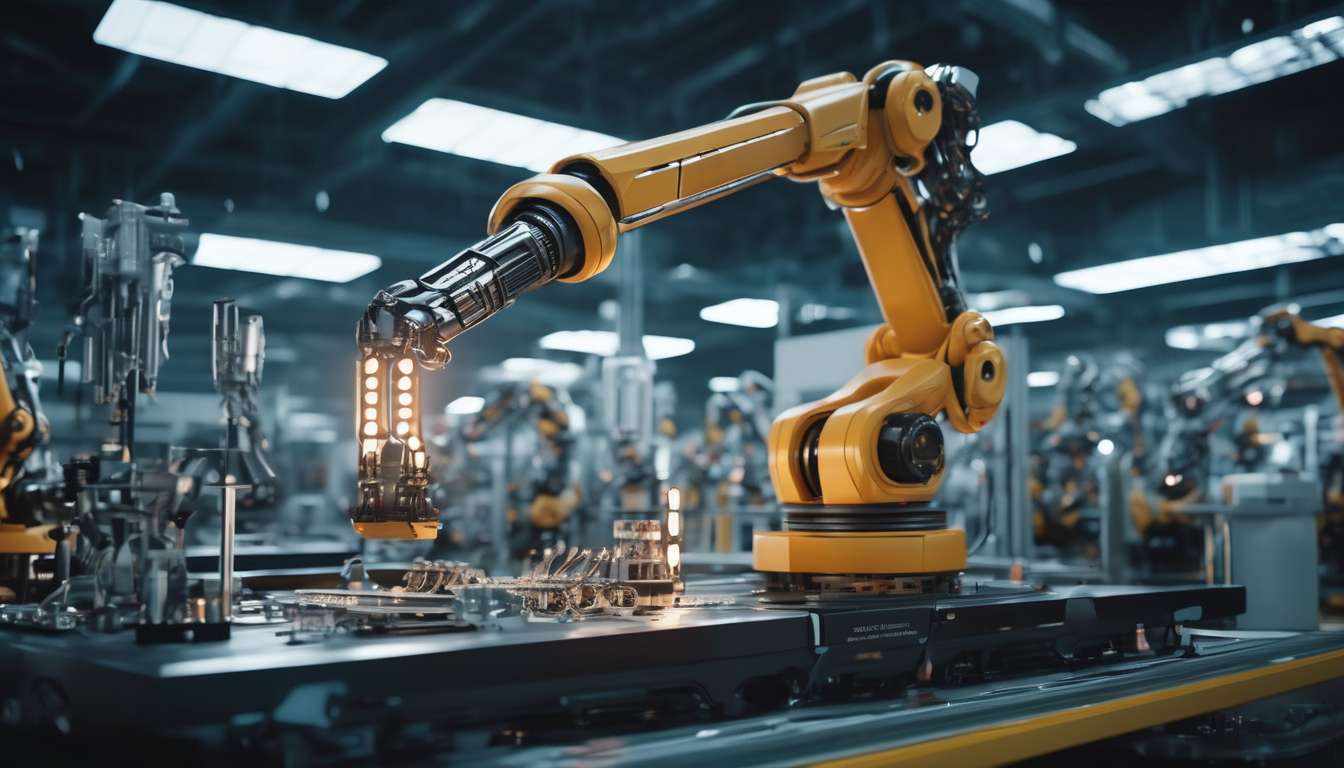
Remarkably, the industrial tools and assembly solutions market is projected to reach a value of over $50 billion by 2028. This substantial growth is driven by the relentless pursuit of efficiency and precision in manufacturing processes.
As industries adapt to the demands of the Fourth Industrial Revolution, the integration of smart technologies in tools and assembly lines is revolutionizing production. These innovations employ cutting-edge technologies such as:
- Internet of Things (IoT)
- Artificial Intelligence
- Robotics
These technologies enhance productivity and reduce errors.
The evolution of these tools marks a significant departure from traditional methods, offering:
- Enhanced diagnostics
- Predictive maintenance
- Real-time monitoring capabilities
With the complexity and competitiveness of modern industries, companies are compelled to adopt these advanced solutions to remain viable and competitive.
Understanding the implications of these technological advancements is crucial for stakeholders aiming to optimize operations and capitalize on new opportunities within the ever-evolving industrial landscape.
For more detailed insights and expert analysis on how these advancements can reshape your business strategies, this link will take you further.
IoT: Revolutionizing Manufacturing
The Internet of Things (IoT) is drastically transforming manufacturing processes by enabling real-time data collection and analysis, leading to increased efficiency and productivity. IoT’s integration into manufacturing allows for seamless communication between machines and systems, ensuring optimal performance.
The advent of IoT has facilitated the development of smart factories where interconnected devices enhance operational capabilities. By leveraging IoT, manufacturers gain actionable insights into equipment functionality and production metrics, fostering a collaborative environment that aligns with industry standards.
Furthermore, the synergy between IoT, artificial intelligence (AI), and robotics enhances decision-making processes by providing:
- Predictive maintenance
- Reduced downtime
Robotics, equipped with IoT-enabled sensors, can perform complex tasks with precision, streamlining production lines and minimizing errors. This technological convergence ensures that manufacturing operations remain competitive and adaptive to market demands.
The adoption of IoT in manufacturing not only revolutionizes traditional practices but also cultivates a sense of community among industry professionals, fostering a shared vision for innovation and growth.
AI Applications in Assembly
Artificial Intelligence in Assembly Operations
In the realm of assembly, artificial intelligence (AI) transforms operations by optimizing workflows and enhancing precision through advanced algorithms. AI integration into assembly lines facilitates:
- Continuous monitoring and analysis of production data.
- Identification and rectification of inefficiencies.
This seamless collaboration between AI and assembly processes fosters an environment where productivity and quality are maximized, meeting the high standards expected in modern industry.
Synergy of AI and the Internet of Things (IoT)
The synergy between AI and the Internet of Things (IoT) further amplifies the capabilities of assembly operations. IoT devices, embedded with sensors, collect real-time data that AI systems analyze to make informed decisions. This interconnectedness ensures that assembly lines are:
- Adaptive and responsive to dynamic conditions.
- Capable of reducing downtime.
- Maintaining a streamlined production process.
Advanced Robotics Integration
Incorporating AI into assembly is not limited to data analysis; it also includes advanced robotics integration. Robotics, powered by AI, perform complex tasks with precision and consistency, leading to enhanced operational efficiency.
These innovations signify a progressive shift toward smart industrial tools and solutions, uniting technology and human ingenuity.
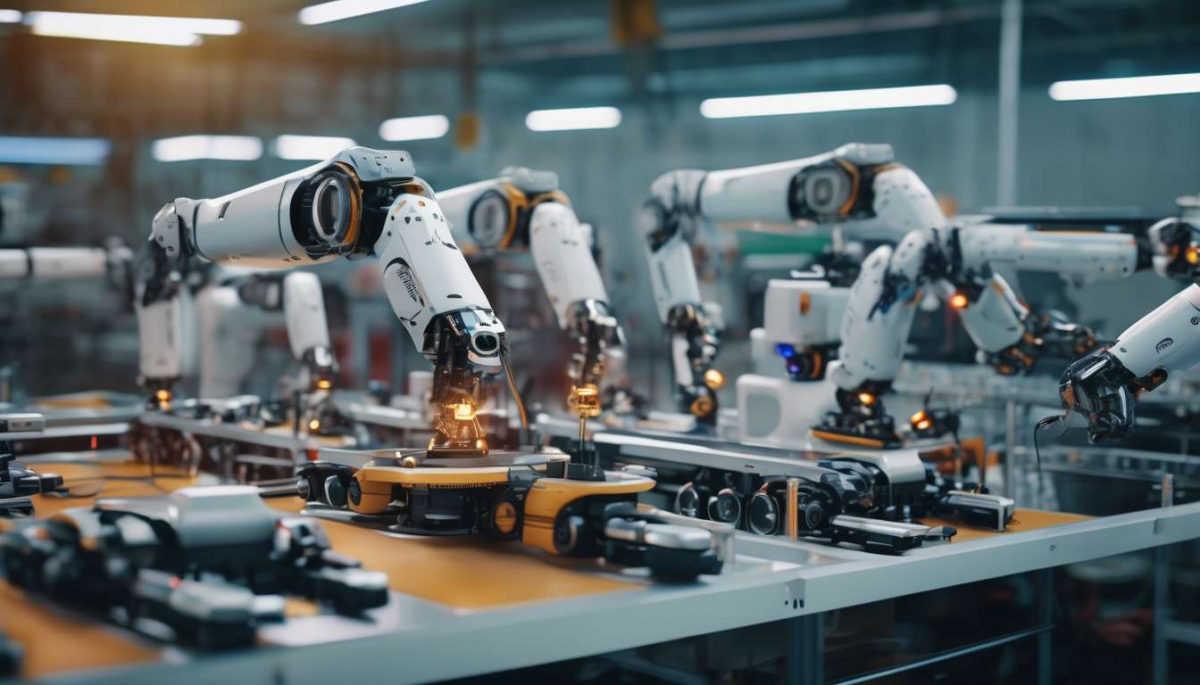
Robotics in Industrial Settings
In numerous industrial settings, cutting-edge robotics enhance productivity by executing tasks with unmatched precision and speed. These advanced systems, integrated with Internet of Things (IoT) technology, facilitate seamless communication between machines and central control systems.
The incorporation of IoT enables real-time data exchange, ensuring that robotic operations are optimized for efficiency and reliability. This connectivity fosters a collaborative environment where robotic systems work in harmony with human operators, thereby fostering a sense of belonging within the industrial workforce.
Artificial Intelligence (AI) plays a pivotal role in the advancement of industrial robotics. By leveraging AI algorithms, robotic systems can:
- Learn from data
- Adapt to changes
- Perform complex tasks autonomously
This level of sophistication is essential in industries where high standards of quality and precision are paramount. Robotics equipped with AI capabilities not only improve operational efficiency but also reduce human error, contributing to a safer and more productive working environment.
Embracing such technology is crucial for modern industry advancement.
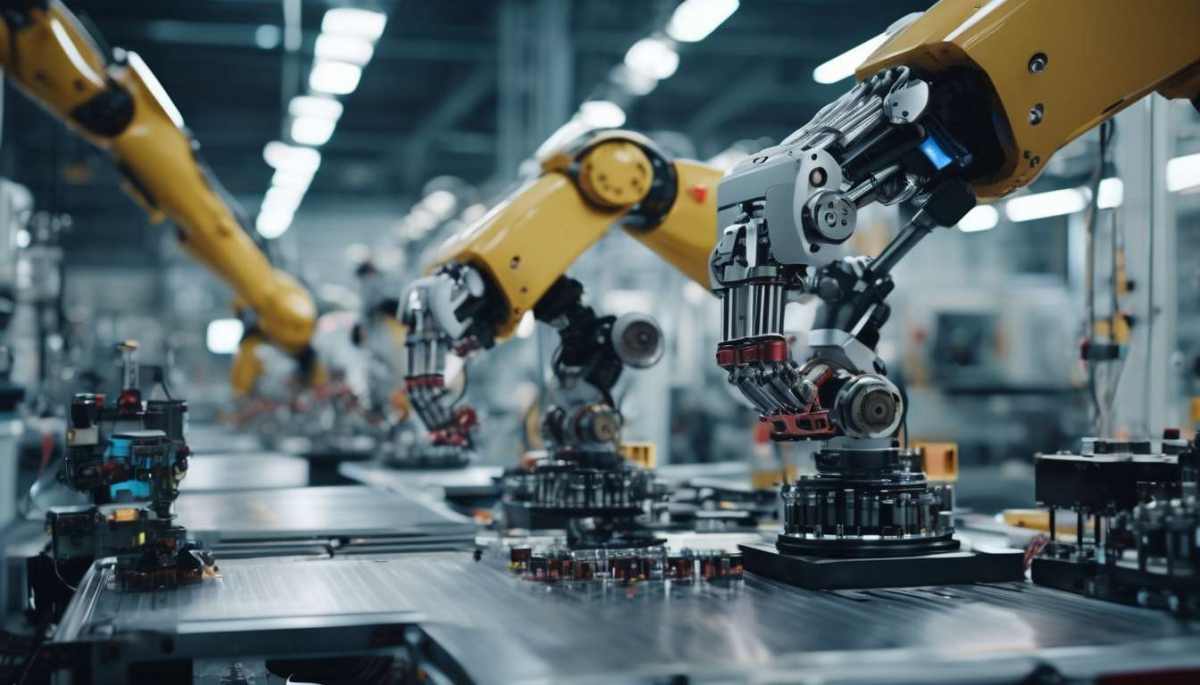
Enhanced Diagnostics for Efficiency
Advanced Diagnostic Tools
Advanced diagnostic tools significantly boost operational efficiency by identifying system inefficiencies and potential failures before they escalate.
Integration of Technologies
The integration of Internet of Things (IoT), Artificial Intelligence (AI), and robotics in industrial settings has transformed traditional diagnostics into a sophisticated, real-time process.
-
IoT-enabled devices continuously collect and transmit data, allowing for comprehensive monitoring of machinery and production lines.
-
This constant data stream provides a foundation for AI algorithms to analyze and interpret complex patterns, thereby enhancing the accuracy and speed of diagnostics.
Role of Robotics
Incorporating robotics in diagnostic processes further optimizes efficiency.
- Robotics perform intricate inspections that human operators may find challenging, ensuring thoroughness and precision.
Collaborative Environment
As industries increasingly adopt these technologies, a collaborative environment emerges where every component communicates seamlessly.
This interconnectedness fosters a sense of unity and purpose, enhancing the operational integrity of industrial systems.
Benefits
By leveraging these advanced diagnostic tools, industries not only improve their efficiency but also cultivate a more cohesive and resilient operational framework.
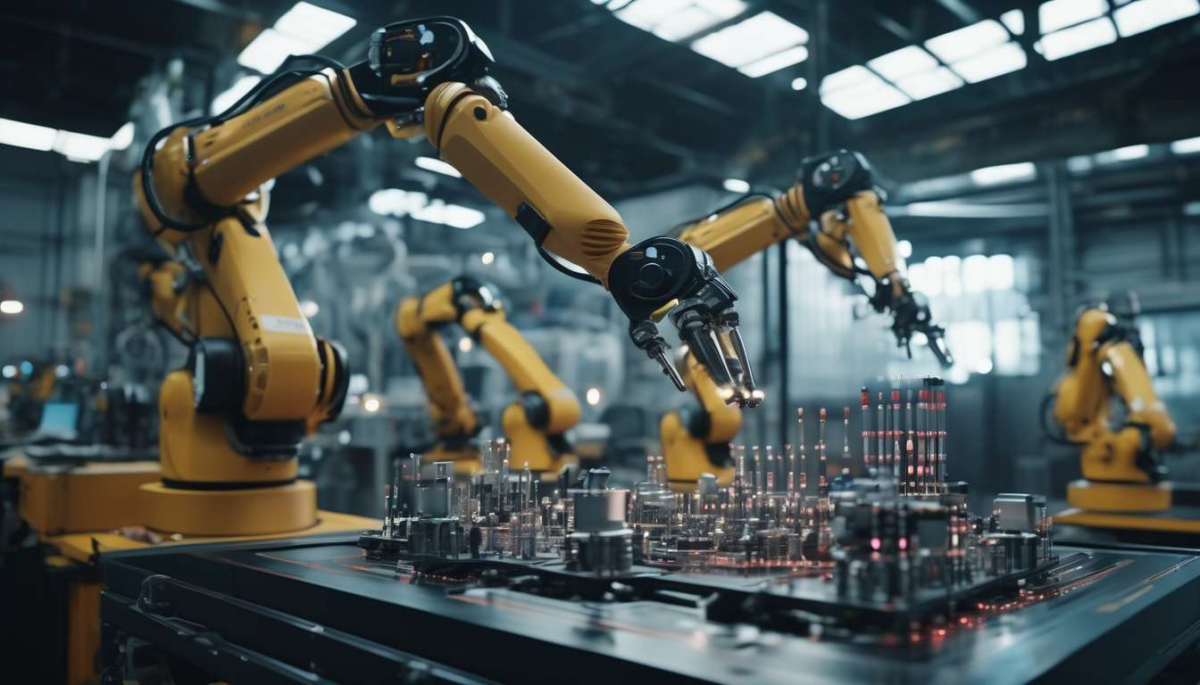
Predictive Maintenance Benefits
Predictive maintenance significantly reduces downtime and repair costs by anticipating equipment failures before they occur.
Through the integration of IoT, AI, and robotics, industries can now harness data-driven insights to enhance operational efficiency and reliability.
IoT sensors continuously collect and transmit data from equipment, allowing AI algorithms to analyze patterns and predict potential malfunctions. This foresight enables timely interventions, preventing unexpected breakdowns and ensuring seamless production processes.
The adoption of robotics in predictive maintenance further optimizes resource allocation and minimizes human error. Robots equipped with advanced sensors can perform routine inspections and maintenance tasks, ensuring precision and safety.
This synergy between technology and industry fosters a cohesive environment where stakeholders can trust in the systems that support their operations.
Industries embracing predictive maintenance gain several benefits:
- A competitive edge.
- Contribution to a culture of innovation and collaboration.
- Fostering a sense of unity and mutual growth.
- Reinforcing commitment to excellence and sustainability in the modern industrial landscape.
By leveraging cutting-edge technologies, organizations can achieve these advantages and enhance their operational frameworks.
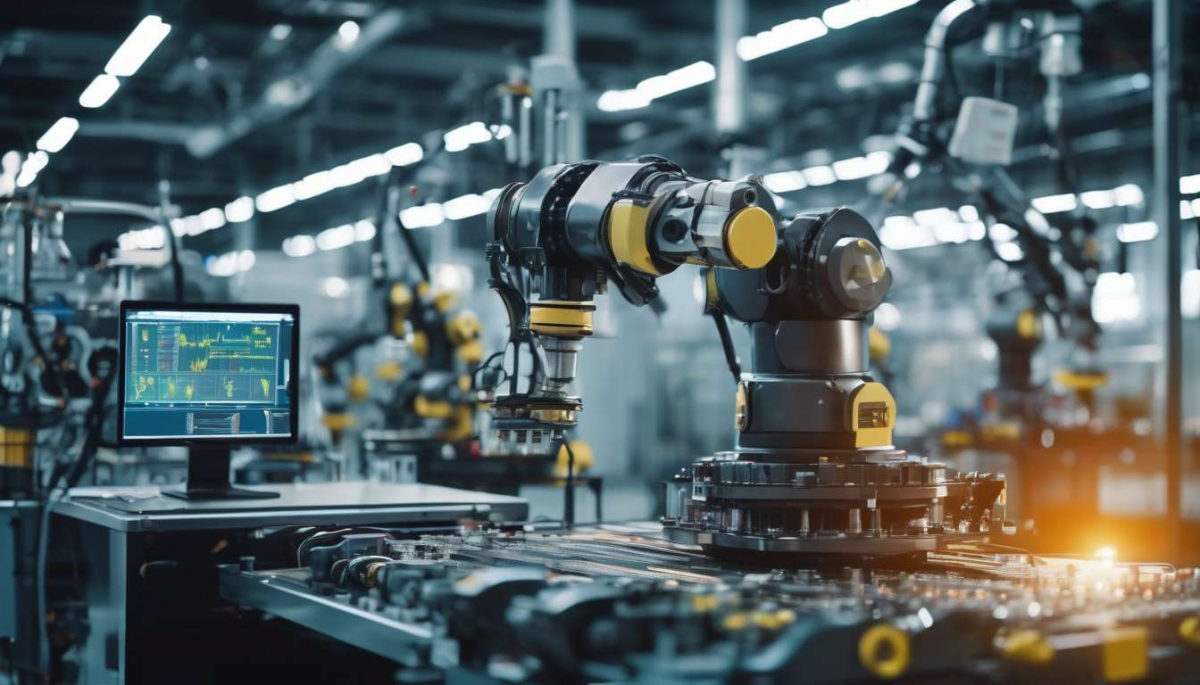
Real-time Monitoring Solutions
Real-time monitoring solutions empower industries to maintain continuous oversight of equipment performance, ensuring swift responses to any anomalies.
By integrating IoT technologies, industries collect and analyze vast amounts of data in real-time, providing critical insights into machinery operations. This constant flow of information enhances decision-making processes and supports proactive maintenance strategies.
IoT-connected devices facilitate seamless communication between various industrial tools, fostering an interconnected ecosystem that optimizes efficiency and productivity.
The role of AI in real-time monitoring extends beyond data collection:
- Advanced algorithms process and interpret data.
- They identify patterns and predict potential failures before they occur.
This predictive capability reduces downtime and extends equipment lifespan, contributing to a more sustainable industrial environment.
Robotics further enhances monitoring solutions by:
- Performing routine inspections and maintenance tasks.
- Minimizing human intervention and potential errors.
The integration of IoT, AI, and robotics in real-time monitoring solutions represents a transformative approach, aligning with the industry’s pursuit of innovation and operational excellence.