
Industries can maximize efficiency while minimizing human error and operational costs by leveraging technological advancements, particularly automated solutions.
Automated Solutions:
-
Automated solutions have become critical tools in addressing challenges across various sectors.
-
These solutions offer tailored applications that can transform operations in virtually any industry.
Key Benefits:
-
Routine Task Automation:
- Automation helps in performing repetitive tasks with greater accuracy and speed.
- It enhances precision, reducing the chance of human error.
-
Data-Driven Decision-Making:
- Automation enables the collection and analysis of large data sets.
- This data-driven approach supports informed decision-making processes.
Industry-Specific Applications:
-
Manufacturing:
- Use of robotics and AI-powered systems to streamline assembly lines.
- Reduces downtime and increases productivity.
-
Healthcare:
- Automates tasks such as patient record management and diagnostics.
- Allows healthcare professionals to concentrate more on patient care.
-
Financial Sector:
- Assists in fraud detection and risk management.
- Safeguards sensitive information and assets.
Evolution and Versatility:
-
As technology evolves, the versatility and applicability of automated solutions continue to expand.
-
This ongoing innovation drives efficiency and transformation across industries globally.
By embracing these technological advancements, industries can significantly enhance their operational efficiency while reducing errors and costs.
For a deeper dive into how these automated solutions can benefit your specific industry, click on for more information.
Critical Tools for Industry Challenges
Industries face numerous challenges today, and implementing automated solutions has become critical for addressing these obstacles effectively. The integration of automation into industrial operations enhances efficiency and fosters transformation.
Benefits of Automation in Industry:
- By streamlining processes, automation reduces human error and speeds up production cycles, ultimately leading to significant cost savings.
- Automation acts as a catalyst for transformation by enabling industries to adapt more swiftly to market changes and evolving consumer demands.
In addition to operational efficiency, automation empowers industries to harness advanced data analytics, leading to more informed decision-making. This transformation in decision-making processes allows for better resource allocation and optimization of supply chains.
Furthermore, automation supports the creation of safer working environments by taking over hazardous tasks, thus protecting the workforce and enhancing overall workplace safety.
As industries continue to evolve, the adoption of automation becomes indispensable. Embracing these automated solutions contributes to a more resilient and competitive industrial landscape, ensuring that industries remain at the forefront of innovation and progress.
Tailored Applications for Transformation
Industries leverage tailored applications to drive transformation by addressing specific operational needs and optimizing processes. Custom solutions are developed to align closely with the unique requirements of each industry, facilitating seamless integration into existing workflows. This approach not only accelerates transformation but also fosters a sense of belonging among stakeholders, as they witness tangible improvements in their operational environments.
Automation plays a pivotal role in ensuring that these applications enhance efficiency across various sectors. By focusing on industry-specific challenges, tailored applications ensure that organizations remain competitive and agile in an ever-evolving marketplace.
Efficiency gains achieved through tailored applications contribute significantly to overall transformation. These applications are designed to:
- Minimize resource wastage
- Streamline operations
- Reduce the likelihood of human error
Automation, as a key component, enables these applications to:
- Perform repetitive tasks with precision
- Free up resources for more strategic initiatives
Consequently, industries experience sustained growth and innovation, reinforcing their position in the global landscape.
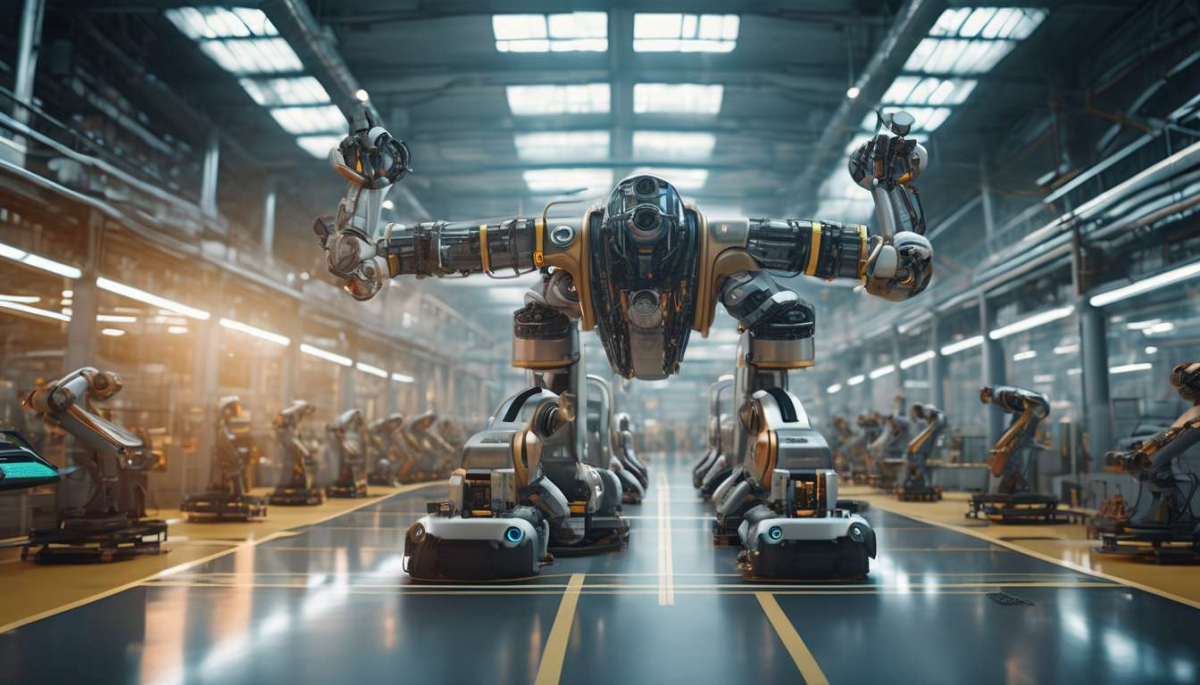
Enhancing Precision and Accuracy
Tailored applications significantly enhance precision and accuracy by automating complex processes and reducing human intervention. Automation serves as a catalyst for industries seeking to transform their operations and achieve higher efficiency levels.
By integrating advanced technologies, industries benefit from:
- Reduced errors
- Consistent output quality
This transformation not only optimizes resources but also ensures that businesses remain competitive in an ever-evolving market landscape.
Efficiency is further enhanced through automated systems that meticulously handle repetitive tasks. This allows human resources to focus on strategic initiatives. The shift from manual operations to automated solutions results in:
- A streamlined workflow
- Minimized operational costs
- Maximized productivity
The implementation of precise automated processes ensures that businesses can maintain high standards of accuracy, which is critical for:
- Industry credibility
- Customer satisfaction
In conclusion, automation plays a pivotal role in transforming industry practices by delivering superior precision and accuracy. As industries continue to evolve, the adoption of automated solutions becomes essential for:
- Maintaining a competitive edge
- Fostering a sense of belonging within the market.
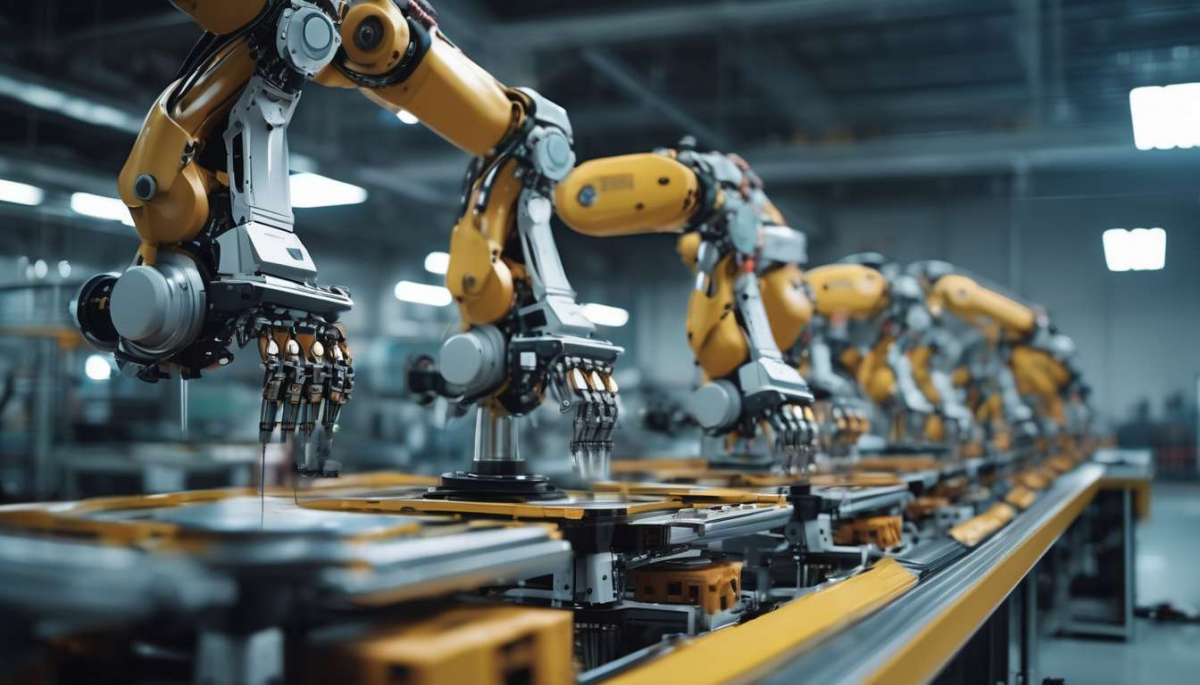
Supporting Informed Decision-Making
Leveraging automated solutions enables industries to access real-time data analytics, facilitating informed decision-making processes. Automation serves as a pivotal tool, transforming traditional decision-making frameworks by providing comprehensive insights.
This capability enhances efficiency by enabling industries to swiftly adapt to market demands and changes, ensuring that decisions are both timely and strategic. Access to accurate data fosters a sense of community within organizations, as teams collaborate effectively, driven by shared goals and transparent information.
The integration of automation in data analytics transforms decision-making from a reactive to a proactive approach. By consistently analyzing patterns and trends, industries can:
- Anticipate challenges and opportunities.
- Craft strategies that are predictive rather than responsive.
This transformation not only elevates the quality of decisions but also minimizes the risk associated with uncertainty. Consequently, industries experience a shift towards a culture of informed decision-making, where:
- Efficiency is continuously optimized.
- Strategic objectives are aligned with data-driven insights.
Ensuring sustainable growth and competitiveness becomes a reality as organizations embrace a data-centric approach to strategy and operations.

Streamlining Operations with Technology
Industries are optimizing their operations by integrating cutting-edge technologies, which streamline processes and enhance productivity.
Automation plays a pivotal role in this transformation, enabling businesses to achieve unprecedented levels of efficiency. By implementing automated systems, organizations can:
- Reduce manual intervention
- Minimize errors
- Accelerate task completion
This technological integration not only reduces operational costs but also fosters a collaborative environment where employees can focus on strategic initiatives that drive growth.
The adoption of automation in various sectors results in a seamless workflow that supports consistent performance and quality. Real-time data analytics, powered by these technologies, allows for:
- Quick adaptation to market changes
- Meeting customer demands
Moreover, automation facilitates the integration of different operational facets, creating a cohesive system that aligns with organizational goals.
The transformation brought by these innovations extends beyond operational efficiency. It cultivates a sense of belonging among stakeholders, as they become part of a forward-thinking ecosystem that values progress and sustainability.
The strategic use of technology ensures long-term success and resilience in an ever-evolving landscape.
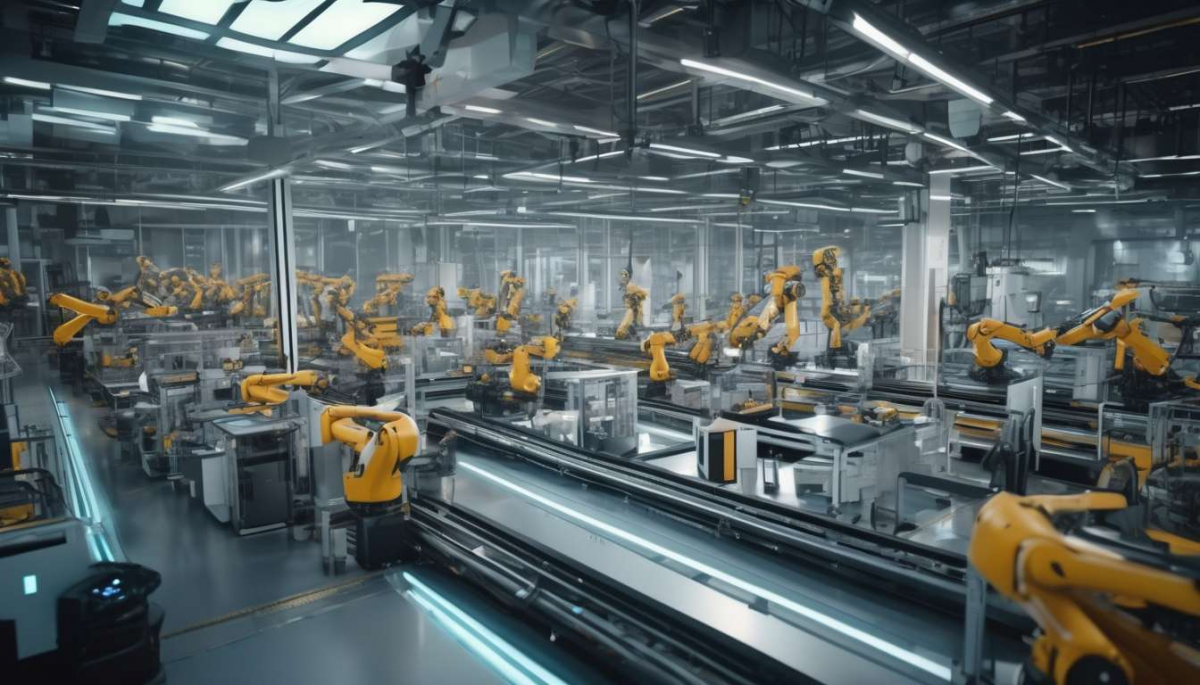
Driving Efficiency and Global Transformation
Industries worldwide are harnessing advanced technologies to drive efficiency and foster global transformation.
The integration of automation into various sectors is revolutionizing traditional business practices, enabling organizations to optimize resource management and reduce operational costs. By implementing automated systems, industries are improving process efficiency and enhancing productivity, thereby achieving significant gains in competitiveness.
Automation serves as a catalyst for transformation by facilitating seamless adaptation to rapidly changing market demands. The collaborative potential of automated technologies ensures that industry players remain interconnected, promoting a sense of belonging within the global marketplace.
As industries increasingly embrace automation, they are better equipped to:
- Navigate complex supply chains
- Enhance customer satisfaction
- Deliver innovative solutions
The transformation driven by automation extends beyond operational efficiency, impacting environmental sustainability and social responsibility. By minimizing waste and optimizing energy consumption, automated systems contribute to a more sustainable future.
Furthermore, the global transformation facilitated by automation fosters inclusive growth, ensuring equitable access to advanced technological solutions and opportunities for all industry stakeholders.